

Best Time to Visit Ayutthaya Temple (2026 Guide)
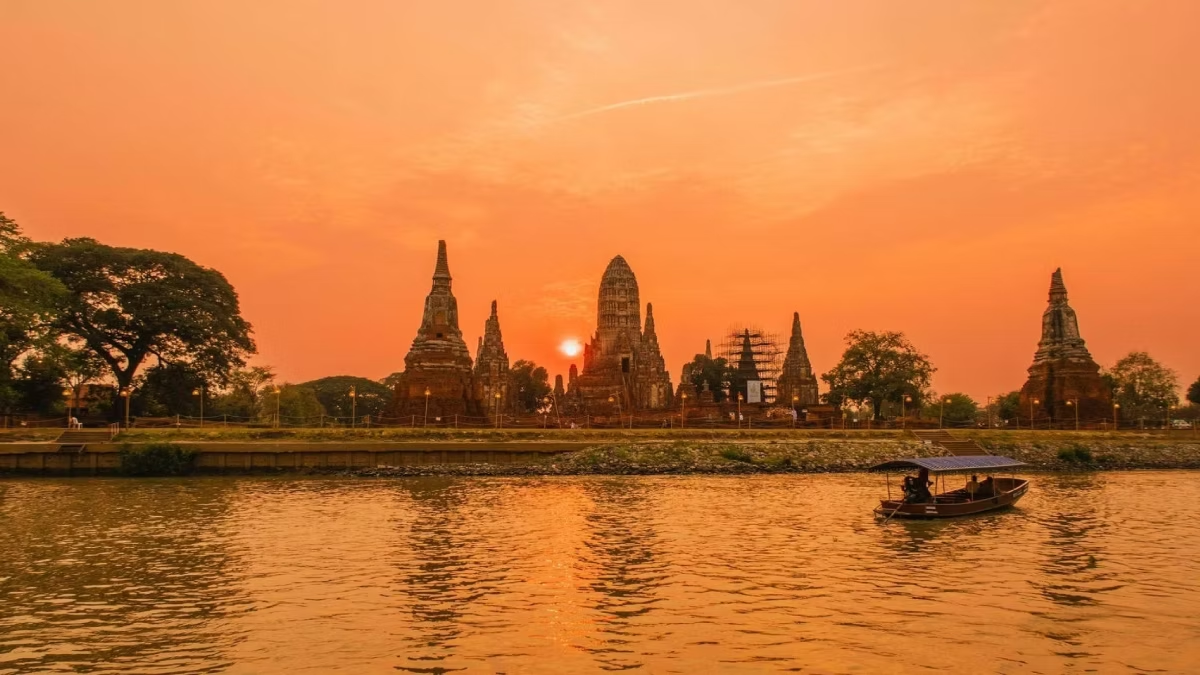
The best time to visit Ayutthaya Temple is November to February — Thailand’s cool season. Temperatures range from 22–30°C, skies are clear and dry, and the conditions for spending a full day walking between open-air ruins are as good as they get. December and January are peak months with the most visitors and highest accommodation prices. For fewer crowds and lower costs, November and February offer similar weather with noticeably less pressure on popular sites.
Ayutthaya Historical Park is entirely outdoors. Every temple, every ruin, every reclining Buddha sits under open sky — which means the season, the time of day, and the month you choose affects your experience more here than at almost any other UNESCO World Heritage Site in Asia. This guide breaks down every season honestly, including the rainy season case that many guides overlook, and tells you not just which month to visit but which hour of the day.
Ayutthaya’s Three Seasons at a Glance
| Season | Months | Temp | Rain | Crowds |
|---|---|---|---|---|
| Cool season | Nov–Feb | 22–30°C | Minimal | High (peak) |
| Hot season | Mar–May | 35–40°C+ | Low | Moderate |
| Rainy season | Jun–Oct | 28–34°C | Frequent | Low |
Cool Season (November–February): The Best Time to Visit
The best time to visit Ayutthaya Temple is November to February. Temperatures range from 22–30°C with minimal rainfall and clear skies — ideal conditions for a full day at the open-air ruins. December and January are peak months with the most tourists and highest accommodation prices. November and February offer near-identical weather with fewer crowds.
Thailand’s cool season brings the most comfortable conditions for temple visiting. Temperatures are genuinely pleasant in the mornings and evenings — particularly by Thailand standards — and the low humidity makes a full day of walking between open-air ruins significantly less taxing than at any other time of year.
November is an excellent choice that many travellers overlook. The rains have ended, temperatures are dropping, accommodation prices haven’t yet hit their December peak, and — if your dates align — you may witness Loy Krathong Festival, when locals release candlelit floats onto the rivers surrounding Ayutthaya’s island. The contrast between the illuminated ancient ruins and the floating lanterns on the water makes this one of the most photogenic events in the Thai cultural calendar.
December and January are the peak months. Clear blue skies, temperatures around 25–28°C in the daytime, and cool mornings that make 8:30 AM arrivals at Wat Mahathat genuinely enjoyable. The downside is that these are the busiest months — popular temples can feel crowded, particularly on weekends, and accommodation in Ayutthaya books up quickly. Book well in advance for any travel during this period.
February delivers weather very similar to December and January but with noticeably fewer visitors as tourist numbers begin to ease. The mornings are still pleasantly cool and afternoons remain comfortable. A strong choice for travellers who want the best weather without the full peak-season pressure.
One caveat for cool season: Air pollution and seasonal burning affect parts of Thailand from late January into March. Ayutthaya is in central Thailand and can experience hazy days during this window — less common than in the north, but worth noting for photography-focused visitors.
Book This TourHot Season (March–May): High Heat, Low Crowds
March to May is the hot season in Ayutthaya, with temperatures regularly exceeding 35°C and sometimes reaching 40°C+ in April. Visiting is possible but physically demanding. Arrive by 8:30 AM and leave the temples by noon. April’s Songkran Festival (Thai New Year) brings water fights and celebrations — lively but chaotic for sightseeing.
March to May is the hottest and most humid period of the year across central Thailand. Daily temperatures regularly exceed 35°C, and mid-April — the absolute peak of the heat — can reach 40°C or above. The combination of heat, direct overhead sun, and minimal shade at Ayutthaya’s open-air ruins makes the 10:00 AM–4:00 PM window genuinely uncomfortable and potentially dangerous for visitors sensitive to heat.
The case for visiting anyway: Crowds drop significantly from their December peak. Accommodation is cheaper. The temples are quieter. For early-rising visitors who can complete their temple visits by noon and spend the hottest hours in shade or at a cool café, the hot season delivers a very different Ayutthaya experience — one where the ruins feel genuinely your own rather than shared with tour groups.
Songkran (April 13–15): Thailand’s New Year water festival brings celebrations to Ayutthaya alongside every other Thai city. Expect water fights in the streets, temple merit-making, and a festive atmosphere. If you’re visiting Ayutthaya specifically for sightseeing, Songkran week is not ideal — it’s noisy, crowded with domestic tourists, and the water fights make it impossible to carry camera equipment safely.
Practical heat advice: Arrive at the temples no later than 8:30 AM. Wear lightweight, light-coloured clothing that meets the temple dress code. Carry at least 1.5 litres of water. Take a midday break in an air-conditioned restaurant or café and resume visiting after 4:00 PM when the heat begins to ease.
Rainy Season (June–October): The Hidden Gem Season
June to October is Ayutthaya’s rainy season. Heavy rain is common but usually arrives in short afternoon bursts rather than all-day downpours. Mornings are typically clear. Crowds drop dramatically, accommodation prices fall, and the moats and greenery around the ruins become photogenic in a way that the dry season cannot match. The biggest risk is flooding — some low-lying temples can be affected during September and October.
The rainy season is consistently underestimated by travel guides. In practice, Ayutthaya in the green season offers experiences that peak-season visitors never get:
Fewer tourists. The temples are genuinely quiet. You can stand at Wat Mahathat’s tree-root Buddha without anyone jostling for position. You can spend an hour at Wat Chaiwatthanaram without another group arriving.
Lower prices. Accommodation costs drop noticeably from December peaks.
Dramatic photography. The reflective moats fill with water, the ruins turn a richer shade of gold against dark monsoon clouds, and the surrounding vegetation is vibrantly green. Several photographers specifically time their Ayutthaya visits to the rainy season for exactly this aesthetic.
The rain pattern matters: Rainy season rain typically arrives as heavy afternoon showers, not all-day drizzle. Morning visits (8:30 AM–noon) are usually clear. Plan your major temple visits in the morning and use the afternoon for indoor stops like the Chao Sam Phraya National Museum or a café.
September and October flooding: In years with heavy monsoon rainfall, some low-lying areas of Ayutthaya can experience flooding. This does not close the major temples but can affect access to some sites. Check local conditions before travelling during September–October.
Best Time of Day to Visit Ayutthaya Temple
Regardless of which month you visit, the time of day matters enormously at Ayutthaya.
8:30–11:00 AM: Best for comfort and photography. Temple ticket windows open at 8:30 AM. Morning light is golden and directional rather than flat and harsh. The most popular sites — particularly Wat Mahathat — are at their least crowded. Temperatures are at their daily minimum.
11:00 AM–3:00 PM: Worst conditions. This is peak heat and harsh overhead light — the least comfortable and least photogenic window of the day. In the hot season, staying out of the open temples during these hours is strongly advised.
3:30–5:30 PM: Second-best window. The heat eases, the light turns golden again, and Wat Chaiwatthanaram in particular is beautifully lit facing west into the afternoon sun. Most temples close between 5:00 PM and 6:00 PM — check our Ayutthaya Temple Opening Hours guide before planning your afternoon route.
Key Festivals at Ayutthaya
Loy Krathong (November): One of Thailand’s most beautiful festivals. Locals float candlelit krathong (small boats) on the rivers surrounding Ayutthaya’s island, and lanterns are released into the night sky. The combination of illuminated ancient ruins and floating lights is extraordinary. The Fine Arts Department also runs special illumination programmes at the temples during cool season weekends.
Songkran (April 13–15): Thai New Year water festival. Lively and culturally significant, but not conducive to comfortable temple sightseeing.
World Heritage Day (December): The Fine Arts Department periodically runs special night illumination programmes at the Historical Park over weekends in December and early January. These are among the most atmospheric times to visit.
Practical Summary
| Your priority | Best time |
|---|---|
| Comfort and best weather | November to February |
| Fewest crowds | September to October (accept some rain) |
| Budget travel | June to August |
| Best photography | November morning light OR rainy season dramatic skies |
| Festival experience | November (Loy Krathong) |
| Avoid entirely | April 13–15 (Songkran sightseeing) |
Frequently Asked Questions
What is the best month to visit Ayutthaya temples?
November through February. November offers the best balance of good weather, lower crowds than December–January, and the possibility of Loy Krathong. December and January have the best weather but the most visitors.
Is Ayutthaya worth visiting in the rainy season?
Yes — particularly for photographers and budget travellers. Mornings are usually clear, prices are lower, and the temples are far less crowded. The main risk is afternoon flooding in September and October.
How hot does Ayutthaya get in April?
Temperatures regularly exceed 35–40°C in April, making it the most physically demanding month for outdoor sightseeing. It is manageable with early starts (before 9:00 AM), regular hydration, and a midday break, but it is genuinely challenging.
Is Ayutthaya crowded?
The most popular temples — particularly Wat Mahathat — can be busy on weekday mornings and very busy on weekends during the cool season. Arriving at 8:30 AM when ticket windows open is the most reliable way to beat the crowds.
What should I wear to visit Ayutthaya in different seasons?
Year-round: lightweight, breathable fabric that covers shoulders and knees for temple entry. Cool season: a light layer for early mornings. Hot season: the lightest possible compliant clothing. Rainy season: a compact umbrella or light rain jacket. See our Ayutthaya Temple Dress Code for the full guide.
Does rain affect the temple visit experience?
Light rain actually enhances the atmosphere at many of Ayutthaya’s ruins — the wet stone takes on a richer colour and the moats reflect the sky. Heavy rain during a visit is uncomfortable but usually brief. Most visitors shelter and resume exploring when it passes.
